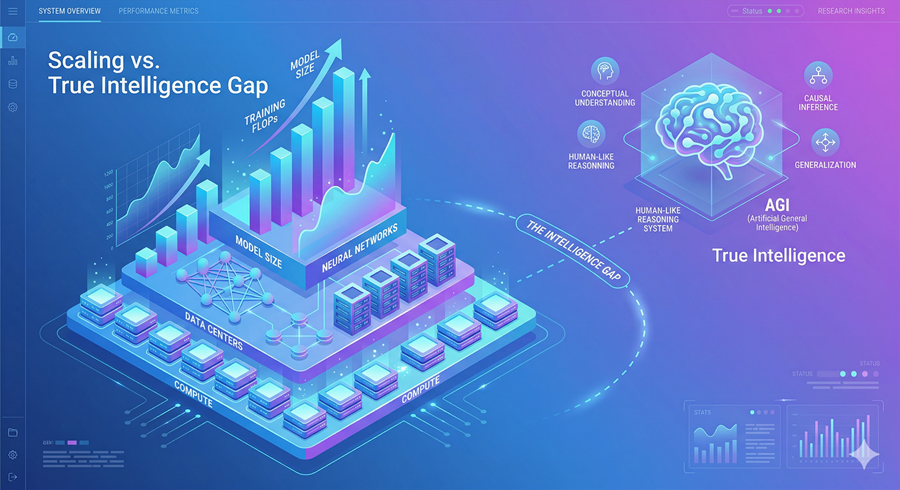
I used to believe that if we kept improving current AI systems, they would eventually reach human-level intelligence. More data, more computers, more time. It felt inevitable. Now, I’m not so sure. The deeper I look, the more it seems like we are pushing against limits that scaling alone cannot solve. The gap between today’s… Continue reading Why AI May Never Reach True Intelligence
Some weeks in AI feel like steady progress. This was not one of them. In just a few days, I watched breakthroughs unfold across math, architecture, memory systems, and speech. Each one on its own would have been impressive. Together, they point to something bigger. We are not just improving AI anymore. We are redesigning… Continue reading AI Breakthrough Week: Math, Memory, Intelligence
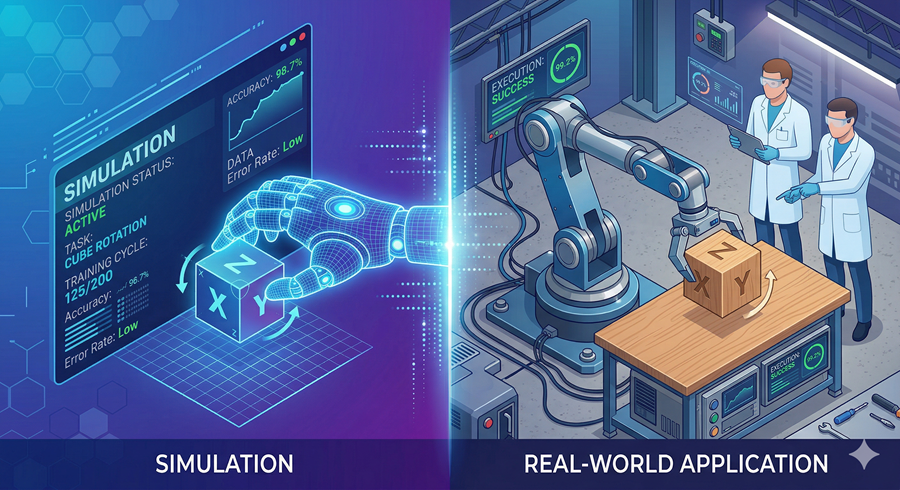
I used to think machines only did what we explicitly programmed them to do. That belief is starting to fall apart. This week, I saw a robotic hand perform a task it had never practiced in the real world. It was trained entirely in simulation, then deployed directly onto physical hardware. No adjustment, no retraining.… Continue reading Robots Learning Fast: Skills We Didn’t Program
When I hear a company say its AI is too dangerous to release, my first reaction isn’t fear. It’s curiosity and then, skepticism. Because the moment I looked closer at this so-called unreleased model, the story became less about restraint and more about positioning. Dangerous, But Not Off Limits The claim is simple. This model… Continue reading Most Dangerous AI Tools: What You Should Avoid
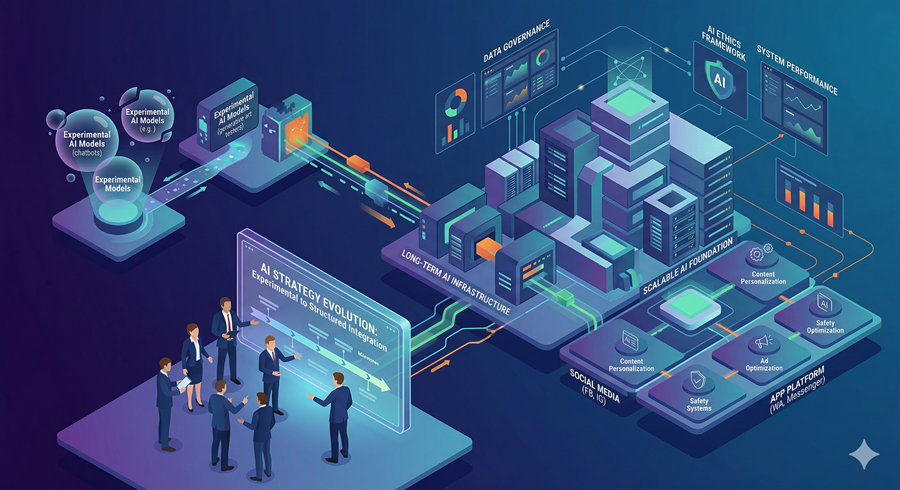
I see this launch as more than just another AI model. It feels like a strategic reset. For a while, Meta’s AI efforts seemed inconsistent. Big announcements, heavy investments, but not always a clear direction. With Muse Spark, that changes. This is not about chasing headlines. It is about building a foundation. A Different Kind… Continue reading Meta AI Strategy: What Muse Signals for the Future
I didn’t expect much when I first heard about a new open model release. Most of them follow a predictable pattern. Either they’re technically open but legally restricted, or they’re so large that running them locally feels unrealistic. This one was different. A Truly Open Model, Not Open-ish What stood out immediately wasn’t just the… Continue reading Google Open Source AI: What Changed and Why
I used to think scale was safety. The bigger a company gets, the more insulated it becomes. But the deeper I looked into Microsoft’s AI strategy, the more I realized something uncomfortable. Its future is tied to a single, fragile dependency, and that dependency is burning billions. The Credit Trap That Fuels Growth Microsoft doesn’t… Continue reading Microsoft AI Bet: The Truth Behind the $3 Trillion Hype
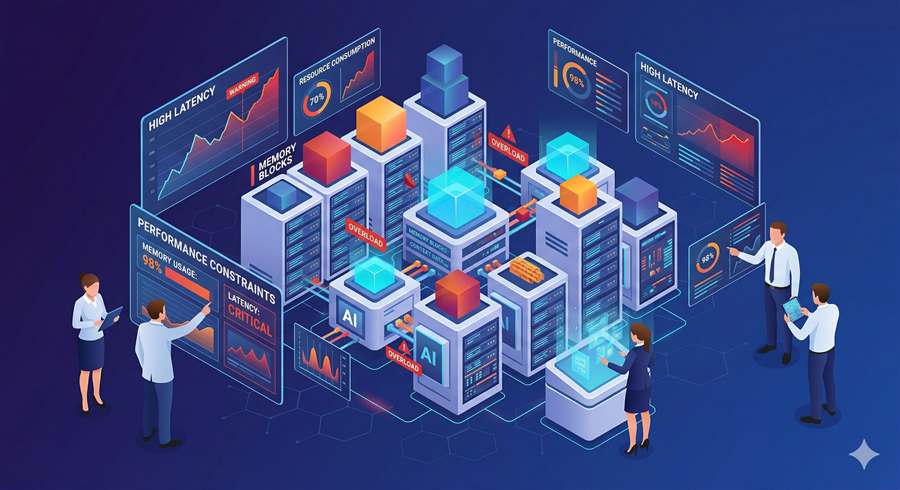
Most people think AI progress is about smarter models. I think it has been about something far more basic. Every interaction with a model builds context, and that context is expensive. It slows systems down, increases hardware requ`irements, and quietly limits how far AI can scale in real-world use. What’s changing now is not just… Continue reading AI Costs Are Dropping Fast: What It Means for You
I used to think of Xiaomi as a hardware company. That assumption no longer holds. When a company with massive distribution, deep manufacturing control, and a growing software ecosystem enters AI at scale, it is not experimentation. It is a strategy. And what stands out here is not just the model’s size, but how it… Continue reading Xiaomi AI Move: How It Impacts the Global Economy
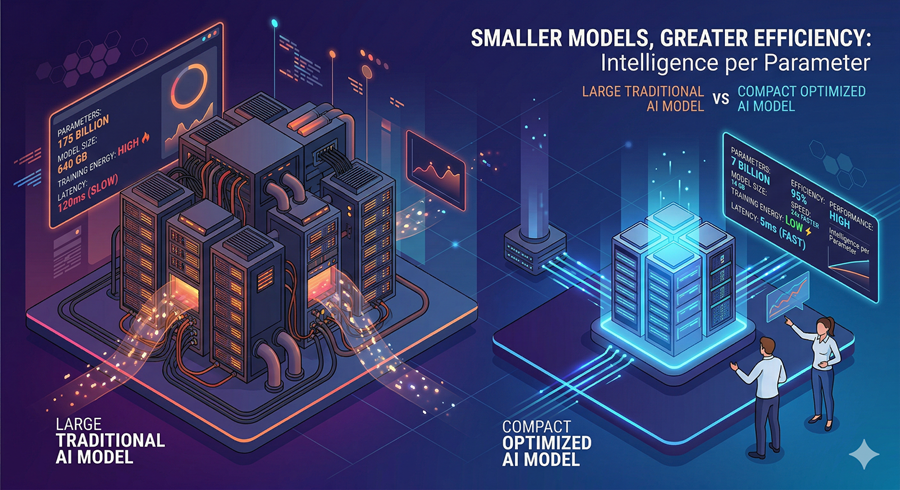
I’m starting to see a pattern that goes against the old assumption that bigger always means better. New models are not just scaling up. They are getting smaller, faster, and more efficient while still competing with much larger systems. That shift matters because it changes where AI can run. Instead of being locked in the… Continue reading Why Smaller AI Models Are Getting More Powerful