What do we actually know about the release of Claude Opus 4.7? First, it is important to understand that this is not a completely new model. Instead, Opus 4.7 is an improved version of an existing system. Because of that, the market reaction has been relatively calm. Most of the features were already discussed earlier through media reports, and when the update arrived, it simply confirmed what many were already expecting.
Stronger Performance in Coding Tasks
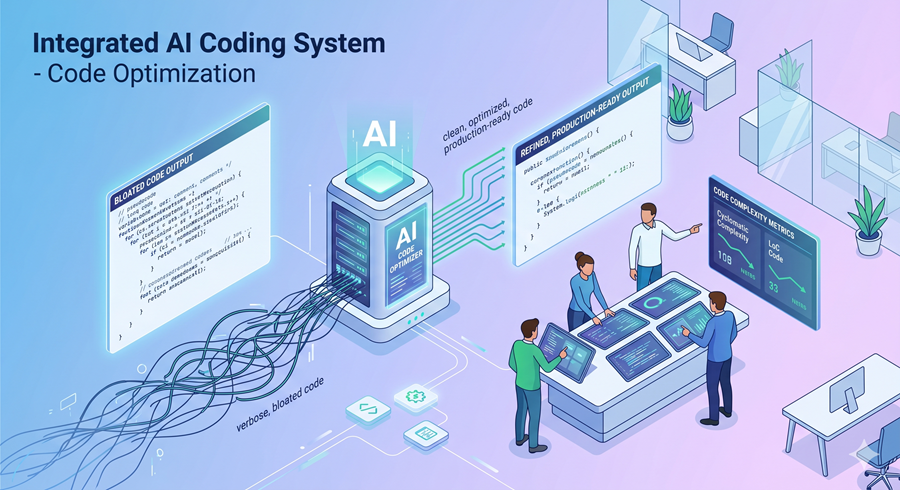
One of the biggest upgrades in Opus 4.7 is its ability to handle coding more efficiently. The model is now better at following instructions exactly as given. This is a major improvement because earlier versions sometimes produced overly complex solutions. Developers often complained that AI would generate far more code than necessary.
Now, the system focuses on delivering cleaner and more relevant outputs. This means developers can assign a complex programming task, step away, and return to something that is much closer to production-ready. In real industry environments, this kind of reliability is extremely valuable. It saves time and reduces the need for constant corrections.
Better Memory and Context Understanding
Another key improvement is how the model handles memory. Working with existing codebases has always been one of the hardest challenges for AI. Writing new code is relatively simple, but understanding older systems requires deeper context.
Opus 4.7 improves in this area by better understanding how different parts of a codebase connect. This allows it to make smarter updates and suggestions when working with existing projects. For companies that rely on large and complex systems, this is a significant step forward.
Growth in Visual and Design Capabilities
The model has also improved its ability to work with visual content. It can now process higher quality images and follow design instructions more accurately. This opens up possibilities in areas like presentation creation, graphic design, and user interface development.
Even simple tasks like creating slides or visual layouts can now be automated with better results. This has direct implications for companies that rely on design tools, as AI begins to compete in areas that were once dominated by traditional software.
Focus on Safety and Control
Another important aspect of this update is the focus on safety. Instead of releasing a completely new model quickly, the developers chose to improve an existing one while ensuring that safeguards are in place. As AI becomes more powerful, the risk of misuse increases, so maintaining control is critical.
This approach shows a shift toward responsible development. It is not just about making AI more capable, but also about making it more reliable and secure for real-world use.
Changing Role of Developers
The impact on the industry is already visible. Many developers who once avoided AI tools are now using them regularly. In some cases, AI is being used to generate most of the new code. However, this does not mean developers are becoming less important.
Instead, their role is changing. They are spending more time reviewing and validating AI-generated work rather than writing everything from scratch. This shift can improve productivity while still keeping human oversight in place.
Follow Us on:
Clutch
Goodfirms
Linkedin
Instagram
Facebook
Youtube