I keep coming back to one idea: artificial intelligence is no longer something waiting in the future. It is already embedded in healthcare systems, quietly reshaping how diseases are detected, treated, and even prevented. What fascinates me most is how quickly it has moved from experimental tools to real-world clinical impact.
Here are seven areas where I see AI fundamentally changing modern medicine.
1. Detecting heart rhythm disorders earlier than ever
One of the most powerful applications is in identifying atrial fibrillation, a condition that often goes unnoticed until it leads to serious complications like stroke. Traditionally, continuous monitoring was required in clinical settings. Now, wearable ECG devices combined with AI can track heart rhythms continuously in everyday life. I find it remarkable that algorithms can analyze this data in the background and flag abnormalities almost instantly, shifting detection from hospitals to the patient’s daily routine.
2. Predicting life-threatening infections before symptoms escalate
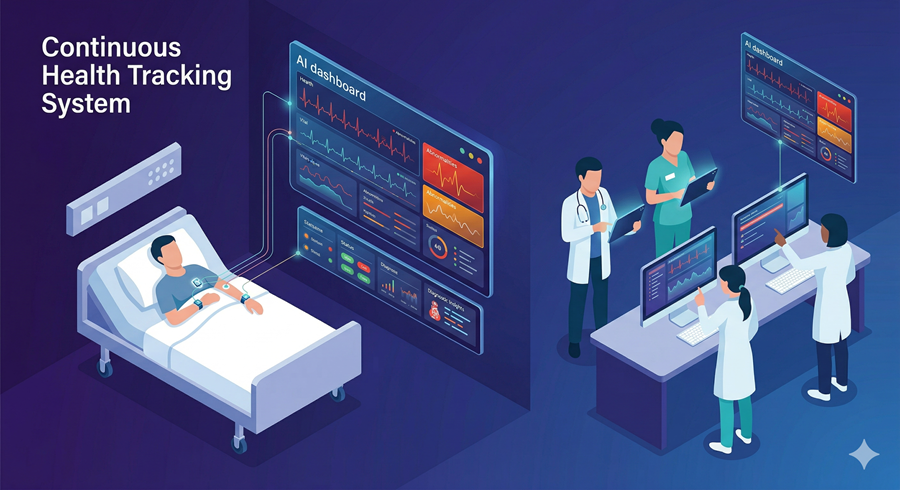
In hospitals, time is everything. AI systems are now being used to monitor patient data in real time and identify early warning signs of conditions like sepsis. What stands out is the speed advantage. These systems can detect risk hours before clinical recognition, giving medical teams a critical window to intervene and reduce mortality rates.
3. Smart wearable devices for seizure detection
Neurological conditions like epilepsy can be unpredictable and dangerous. AI-powered wrist devices are now capable of detecting seizure activity and alerting caregivers in real time. What I find especially promising is that these systems are moving beyond detection toward prediction, which could completely change how patients manage daily life with epilepsy.
4. Skin cancer detection through simple smartphone scans
Another major shift is happening in dermatology. AI tools now allow users to take images of skin lesions and receive preliminary assessments within seconds. These systems compare images against massive medical datasets to identify potential risks. While they do not replace dermatologists, they act as an early screening layer that can catch issues that might otherwise be overlooked.
5. Faster stroke identification through imaging AI
Stroke care is extremely time sensitive. AI systems are now being trained to analyze CT scans and detect signs of stroke almost immediately. I find this particularly important because every minute saved in diagnosis can significantly improve long-term recovery outcomes. Faster triage means more patients receiving treatment in time.
6. Supporting breast cancer diagnosis with human-AI collaboration
In oncology, AI is not replacing doctors but supporting them. Deep learning models are increasingly used to assist radiologists and pathologists in identifying early signs of breast cancer. What stands out is how combining machine analysis with human expertise improves diagnostic accuracy and reduces the cognitive burden on specialists.
7. Accelerating drug discovery at unprecedented scale
Perhaps the most transformative impact is happening behind the scenes in pharmaceutical research. Drug development has traditionally taken over a decade and enormous financial investment. AI is now being used to analyze biological data and simulate molecular behavior, dramatically speeding up early-stage discovery. One breakthrough example is AI systems mapping massive protein structures, opening new possibilities for targeted medicine.
What I take away from all of this is simple. AI is not just improving healthcare efficiency. It is changing the timeline of medicine itself, making detection earlier, treatment faster, and discovery more scalable. At the same time, it raises important questions about trust, regulation, and responsibility that we are only beginning to understand.
The transformation is already underway. We are not waiting for the future of healthcare. We are living inside it.
Follow Us on:
Clutch
Goodfirms
Linkedin
Instagram
Facebook
Youtube