Anthropic has officially introduced Claude Design, a powerful AI-driven platform built on the new Opus 4.7 model, and the internet is already calling it one of the biggest disruptions in the design industry. The launch instantly sparked conversations across the worlds of UI/UX design, product development, and AI automation. According to reports, even Figma’s stock reacted negatively after the announcement, highlighting just how seriously the market is taking this new technology.
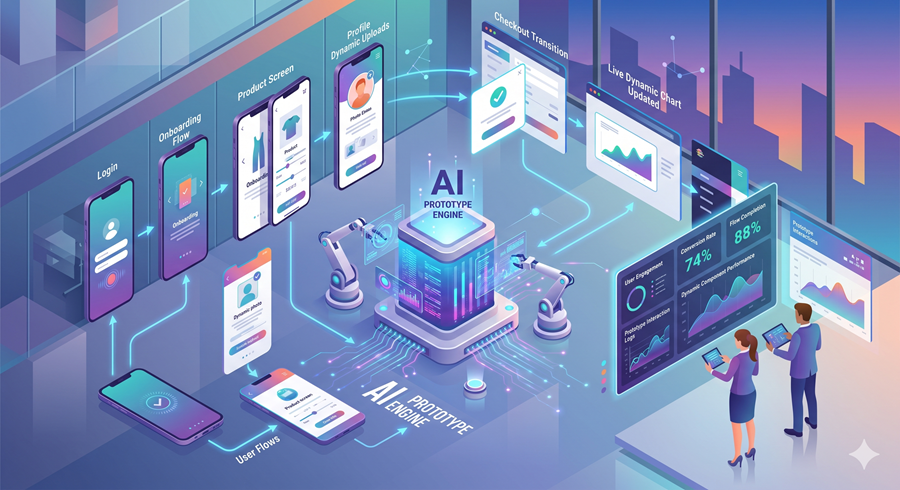
Claude Design is positioned as an AI-powered design assistant capable of transforming rough concepts, existing design systems, and incomplete interfaces into polished prototypes, interactive UI flows, animations, and even production-ready layouts. The platform aims to reduce the amount of manual work designers and developers traditionally spend on repetitive design tasks.
Opus 4.7 Brings Major Improvements to AI Design Capabilities
The core engine behind Claude Design is Anthropic’s latest flagship model, Opus 4.7. The company claims the model is significantly more creative and visually intelligent than previous versions. One of the most important upgrades is its improved image understanding capability. The model can now process visuals at 3.75 megapixels and recognize images with resolutions up to 2,576 pixels on the long edge.
This improvement is extremely important for design workflows because it allows the AI to understand full interface layouts, typography systems, spacing structures, and visual hierarchies much more accurately than older models. On the software engineering side, Opus 4.7 reportedly scored 87.6% on software engineering benchmarks, making it one of the strongest coding-focused AI models currently available.
Interactive UI Generation Takes AI Design to Another Level
Unlike earlier AI design tools that mainly generated static layouts, Claude Design focuses heavily on interactivity. The system can automatically create animations, transitions, loading states, sliders, and interactive UI behaviors directly inside generated prototypes.
One standout feature is variation generation. Designers can request multiple animation styles, alternate layouts, or different interface concepts based on a single prompt. For example, users can generate multiple onboarding screens, chatbot interactions, or loading animations within minutes.
Claude Design also supports advanced visual effects like shader-based animations, an area that many frontend developers traditionally find difficult and time-consuming. In addition, the platform can reportedly generate long-form animated video content, further expanding its role beyond traditional UI design.
Existing Design Systems Can Be Reused Easily
A major strength of Claude Design is its ability to work with existing design systems. Users can upload GitHub repositories, Figma files, or PDF-based design guidelines to help the AI maintain visual consistency across generated screens.
This could significantly reduce the workload for professional designers. Instead of manually creating hundreds of screens, teams may only need to design a few key components before allowing the AI to expand the rest of the product experience automatically.
The platform also includes direct canvas editing capabilities. Users can draw annotations, leave comments, or highlight issues directly on generated designs, then ask the AI to make targeted improvements. While the system still struggles with some details and consistency issues, the workflow already demonstrates how AI could become deeply integrated into future design processes.
AI Design Tools Are Reshaping Creative Workflows
The release of Claude Design highlights a broader shift happening across the creative industry. AI is no longer limited to generating text or simple images. It is rapidly evolving into a complete production assistant capable of handling interface design, frontend logic, animation systems, and creative iteration simultaneously.
While many designers fear AI may replace junior roles, others see these tools as productivity amplifiers that remove repetitive tasks and allow humans to focus more on strategy, creativity, branding, and user experience thinking. Much like AI coding assistants transformed software development, AI-powered design systems are now beginning to reshape how digital products are created.
The Future of Human-Led UI Design Is Still Evolving
Despite the excitement, Claude Design is not yet perfect. The system can still misinterpret branding rules, generate inconsistent visuals, or fail to fully apply uploaded design systems correctly. Human oversight remains necessary for high-quality professional results.
However, the pace of improvement is what makes tools like Claude Design so important. AI-generated interfaces are becoming more polished, interactive, and context-aware with every new model release. As AI continues evolving, the relationship between designers and intelligent creative systems will likely become one of collaboration rather than replacement.
For now, Claude Design represents another major milestone in the growing trend of AI-first product development, and it signals that the future of UI/UX design may look dramatically different within just a few years.