




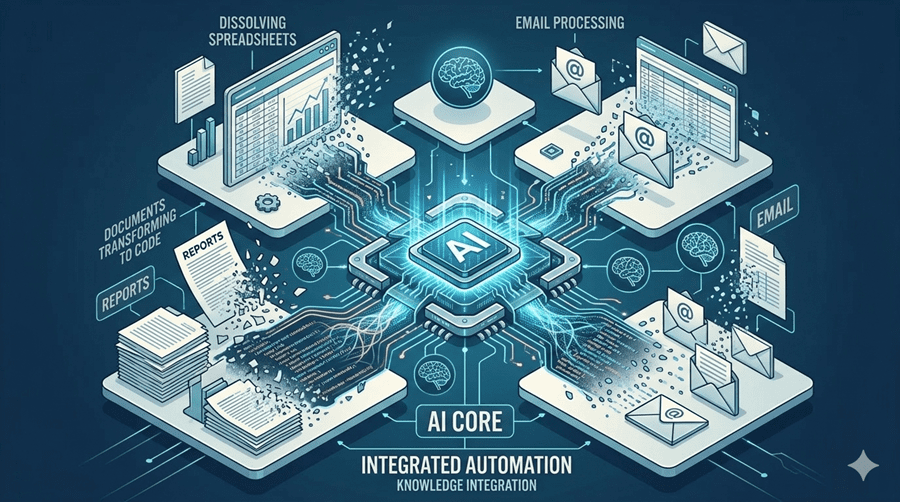
Every time I open the internet lately, I see the same headline in different forms: artificial intelligence is coming for our jobs. Some reports claim half the workforce could be replaced, while others predict even more dramatic disruption across industries.
But the real question is not whether AI will affect work. It absolutely will.
The more important question is which careers will remain resilient as machines grow smarter.
Safe jobs are not ones that AI will never touch. Instead, they are roles where human workers remain essential because of physical presence, accountability, trust, or regulation.
When Information Work Becomes Vulnerable
If a job mainly involves moving information from one place to another, it is already inside the automation blast zone.
Tasks like summarizing documents, drafting routine emails, formatting reports, scheduling meetings, or producing first-pass analysis are exactly what modern AI models do well. These roles may not disappear overnight, but they will likely shrink or change significantly.
Organizations will start asking a simple question: why pay multiple salaries when software can complete most of the tasks?
That pressure will reshape industries built around digital paperwork and routine administrative work.
The Care Economy Will Stay Human
Jobs centered on caring for people remain among the most resilient.
Healthcare workers, therapists, social workers, and caregivers operate in environments where empathy, observation, and ethical responsibility matter deeply. A machine might assist with analysis or documentation, but it cannot replace the human relationship between patient and provider.
Demand for these roles is also increasing due to aging populations and rising chronic illnesses.
In these jobs, the “unit of work” is a human being, not a document.
Skilled Trades Still Run the Physical World
The digital world gets most of the attention, but the real economy still depends on physical infrastructure.
Electricians, plumbers, mechanics, builders, and technicians solve problems in unpredictable environments. AI might help diagnose problems or design systems, but it cannot easily repair a cable inside a wall or install complex equipment on site.
Automation in the physical world is slower and more expensive than software automation.
Cybersecurity and AI Oversight
As AI grows more powerful, cyberattacks are also becoming more advanced. This means organizations will need more experts focused on digital defense.
Careers in cybersecurity, threat response, and infrastructure protection are expected to grow rapidly.
At the same time, new roles are emerging around AI governance and oversight. Companies and governments need specialists who can evaluate AI systems, manage risks, and ensure compliance with regulations.
The Safest Strategy: Work With AI
The most resilient careers may be the ones that connect AI systems to real-world results.
Companies will adopt AI tools, but tools alone do not produce outcomes. Professionals are still needed to design workflows, verify outputs, and manage risks.
The safest career path is rarely the one farthest from technology. It is the one who learns how to turn technology into practical value.
