


Everywhere we look today, the same prediction keeps appearing: artificial intelligence is coming for our jobs. Some analysts suggest that half the workforce could eventually be replaced, while others believe the number might be even higher.
However, the real conversation should not focus on panic. Instead, it should focus on positioning. The smarter question is not whether AI will affect work—it almost certainly will. The more important question is which careers will remain resilient as AI becomes faster, cheaper, and more capable.
Understanding What “Safe” Actually Means
A safe career in the AI era does not mean a job completely untouched by technology. That kind of role likely no longer exists.
A safer career is one where AI mostly enhances the worker rather than replacing them. These jobs often share common characteristics. They usually require physical presence, involve accountability when mistakes occur, rely on human trust, or operate within regulated systems such as healthcare or public safety.
Jobs that mainly involve moving information from one place to another are more vulnerable. Tasks such as summarizing documents, drafting routine reports, routing requests, or scheduling work are exactly the kinds of activities modern AI systems—like those developed by OpenAI—already perform efficiently.
This does not mean these roles will disappear overnight, but it does mean competition will increase and the value of purely informational work may decline.
The Strength of the Care Economy
One of the most resilient sectors is the care economy.
Healthcare professionals, therapists, social workers, and caregivers work in environments where empathy, observation, and ethical judgment are essential. Technology can assist with medical imaging, diagnostics, and documentation, but it cannot replace the human connection needed when people face serious health or emotional challenges.
In addition, aging populations are increasing the demand for healthcare services in many countries. When the “unit of work” is a human being rather than a document, automation becomes far more difficult.
Why Skilled Trades Still Matter
Skilled trade professions also remain highly resilient.
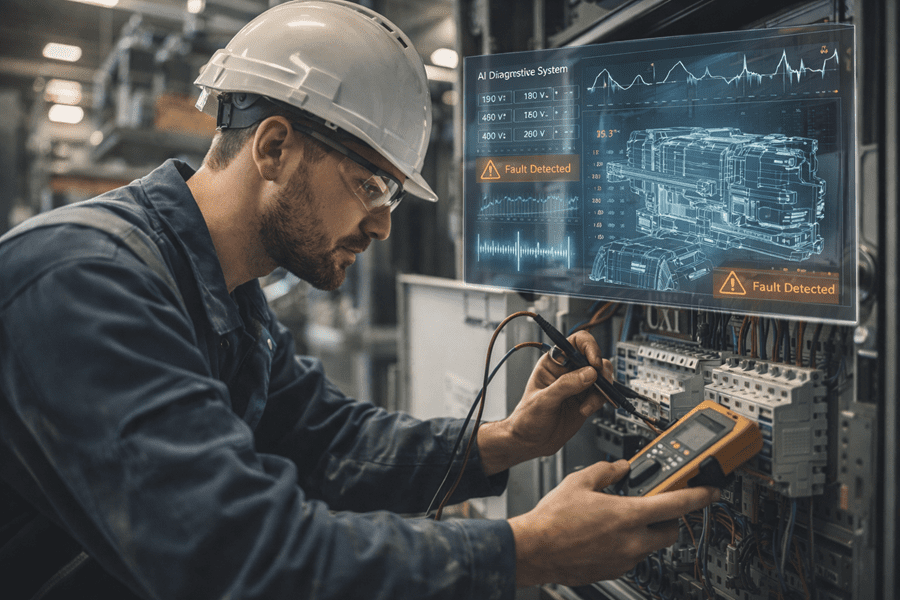
Electricians, plumbers, mechanics, builders, and technicians solve problems in unpredictable physical environments. While AI might generate blueprints or diagnostics, it cannot easily repair wiring inside a wall or fix complex mechanical systems on-site.
The physical world still requires human expertise and hands-on work. The global shift toward renewable energy infrastructure is also increasing demand for technicians who can install and maintain these systems.
The Growing Importance of Digital Security
As technology spreads, new vulnerabilities appear.
Cybersecurity is one of the fastest-growing career fields because every digital system requires protection. AI can help detect threats, but human professionals must design defenses, respond to crises, and make important security decisions.
Working With AI Instead of Competing With It
Another resilient career path involves managing AI itself. As AI enters fields like finance, healthcare, and hiring, organizations need professionals who can oversee risks, ensure fairness, and maintain accountability.
The safest long-term strategy is simple: build a career where AI becomes a tool rather than a rival. In the future, the most valuable professionals may be those who connect powerful AI systems with real-world problems and ensure they deliver meaningful results.