I have been watching the AI race intensify, and this latest move signals a more calculated shift rather than a flashy breakthrough. Instead of chasing headlines with a single massive model, the focus is now on building something practical, scalable, and deeply integrated into everyday digital experiences.
A Different Kind of AI Launch
What stands out to me about this new model is the way it is being introduced. Rather than positioning it as an immediate direct competitor to the most advanced systems, the rollout feels more deliberate. It is already being integrated into existing platforms, with plans to expand across apps and even wearable devices.
This approach suggests a long-term strategy. Instead of proving dominance through benchmarks alone, the goal seems to be embedding AI into products people already use daily.
Built for Real-World Use Cases
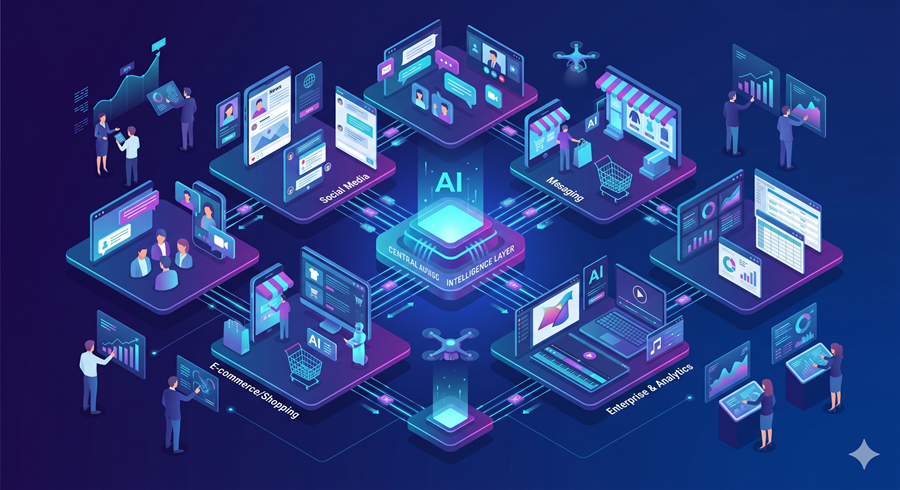
I notice a strong emphasis on practical applications. The model is designed to enhance experiences like content discovery, shopping, and creative tasks. It can suggest ideas based on what users already follow, making interactions feel more personalized and relevant.
There is also a focus on creation. Tools that let users build websites or small interactive experiences point to a future where AI is not just assisting but actively enabling creativity. This aligns with a broader shift from passive consumption to active participation.
A Strategic Response to Competition
The timing of this release matters. The AI space is becoming increasingly competitive, with multiple players pushing toward more advanced systems. Instead of reacting with a single high-stakes launch, this move feels like laying the groundwork for something bigger.
Heavy investment in AI infrastructure shows that this is not a short-term experiment. It is a commitment to building a full ecosystem that can compete at every level, from consumer apps to developer tools.
Monetization and Control
Another important shift I see is in how this model is being positioned commercially. Unlike earlier open approaches, this one leans toward a more controlled and proprietary system. That opens the door for new revenue streams, particularly through paid access for developers.
This change reflects a broader trend in AI. As models become more powerful and expensive to run, companies are looking for sustainable ways to monetize them while maintaining control over how they are used.
The Bigger Vision Ahead
What I find most interesting is the long-term ambition behind all of this. The idea is not just to build a better assistant, but something far more integrated into daily life. A system that can help with decisions, creativity, and tasks in a seamless way.
Even if the current version is not the most advanced yet, it feels like a foundation. A starting point for more capable systems that will arrive in stages rather than all at once.
Short Paragraph
What stands out to me is the shift from chasing immediate breakthroughs to building long-term ecosystems. This launch is less about outperforming competitors today and more about positioning for a future where AI is deeply embedded in how people create, interact, and live.
Follow Us on:
Clutch
Goodfirms
Linkedin
Instagram
Facebook
Youtube