


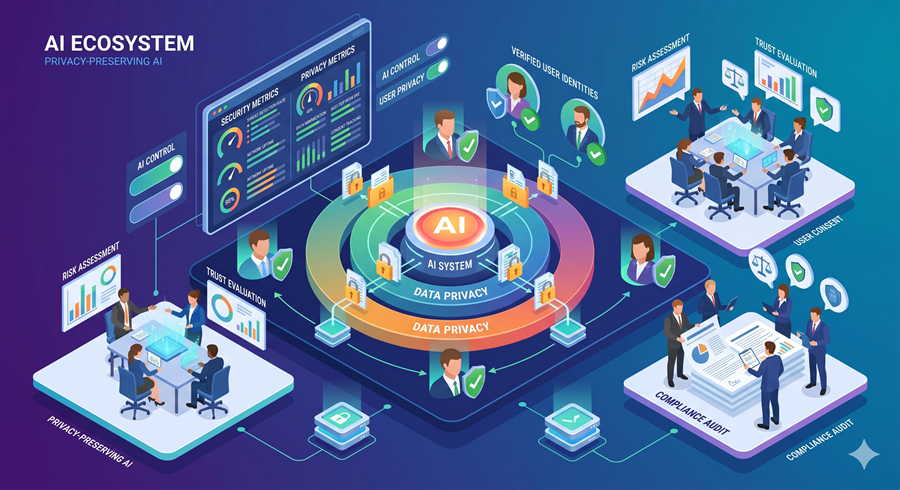
I keep noticing how quickly the rules of using modern tech platforms are changing, especially when artificial intelligence enters the picture. What used to feel open and frictionless is slowly becoming structured, verified, and tightly controlled.
Identity Verification Becomes the New Normal in AI Access
One of the most striking shifts is the move toward mandatory identity checks for AI platforms. In this case, users are now required to go through government ID verification and selfie-based authentication before gaining access.
The stated goal is to reduce misuse, prevent automated abuse, and improve safety across the system. From a platform perspective, it makes sense. As AI tools become more powerful, the risk of large-scale misuse increases alongside them.
Privacy Concerns in a More Controlled AI Ecosystem
Whenever identity becomes part of access, privacy naturally becomes part of the debate. Users are now being asked to trust platforms not only with their data, but also with verified personal identity information.
This shift signals something important. AI platforms are no longer being treated purely as software products. They are starting to resemble regulated infrastructure, closer to financial systems than traditional apps.
YouTube and the Return of User-Controlled Feeds
At the same time, I notice a different kind of change happening in consumer platforms like YouTube. The introduction of options to hide short-form video content reflects growing demand for control over the user experience.
For a long time, platforms pushed algorithmic short content heavily because it increased engagement. But now, users are starting to push back, asking for simpler, more intentional browsing experiences.
Hardware and Consumer Tech Still Driving Innovation
Beyond software platforms, hardware continues to evolve at a steady pace. New earbuds focused on extended battery life and gaming performance show how consumer devices are becoming more specialized.
At the same time, smartphones are still experimenting with features that were once disappearing from flagship design trends, like headphone jacks and improved wireless charging. These choices suggest that manufacturers are re-evaluating what users actually want rather than simply following minimal design trends.
Cross-Platform Tools and the Push for Seamless Connectivity
Another noticeable trend is the effort to reduce friction between devices and operating systems. File-sharing tools that work across Android, Windows, and macOS without cables or complex setups are becoming more common.
What stands out to me is how much emphasis is being placed on simplicity. Instead of building entirely new ecosystems, many tools are now focusing on connecting existing ones more smoothly.
AI Is Expanding Into Everyday Workflows
I also see AI tools increasingly moving into practical business use cases. App builders that can generate full-stack applications from plain language inputs are becoming more capable and accessible.
What used to require technical teams can now be partially handled through natural language instructions, including database logic, user roles, and deployment. That lowers the barrier to entry significantly for small businesses and independent creators.
Restructuring and the Labor Shift in Tech Companies
Finally, there is a clear pattern emerging in how large tech companies are restructuring. Workforce reductions paired with increased investment in artificial intelligence signal a shift in priorities.
The focus is moving toward efficiency, automation, and AI-driven product development. That inevitably reduces the need for certain traditional roles while increasing demand for new skill sets.
