
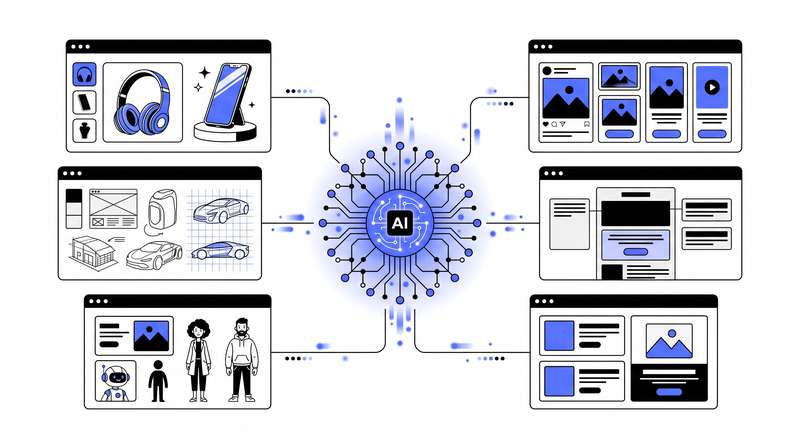
When most people hear the term diffusion models, they think of AI image generators. Reducing diffusion models to an image generation novelty is one of the most significant misconceptions in enterprise AI today. For US businesses in content-heavy, design-intensive, or data-rich environments, diffusion models represent a serious operational capability moving rapidly from research into production.
Diffusion models are a class of generative AI that learns to create data by studying the process of gradually adding noise to existing data, then learning to reverse that process. While image generation is the most visible application, the same approach applies to audio, video, 3D shapes, molecular structures, time series data, and more.
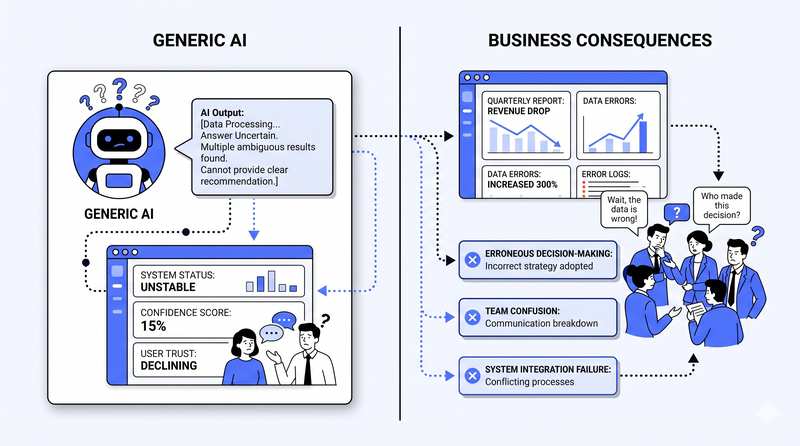
The range of production enterprise applications being built on diffusion models in 2026
Visual content production at scale – US companies in e-commerce, retail, media, and advertising are generating product imagery and marketing visuals at a fraction of traditional production cost and time. Product design and prototyping – an emerging application with significant implications for US manufacturing and consumer goods companies. Drug discovery and molecular design – US biotech and pharmaceutical companies are using diffusion models to generate novel molecular structures with specific desired properties. Synthetic data generation – enabling ML development where real data cannot be used directly due to privacy constraints.
Traditional visual content production involves photographers, studios, art directors, and post-production teams. Cost per image across this pipeline is substantial and time from brief to finished asset is measured in days or weeks. Diffusion model-based content systems produce high-quality visual assets in seconds to minutes at a cost per image orders of magnitude lower. The human creative team shifts from execution to direction and curation.
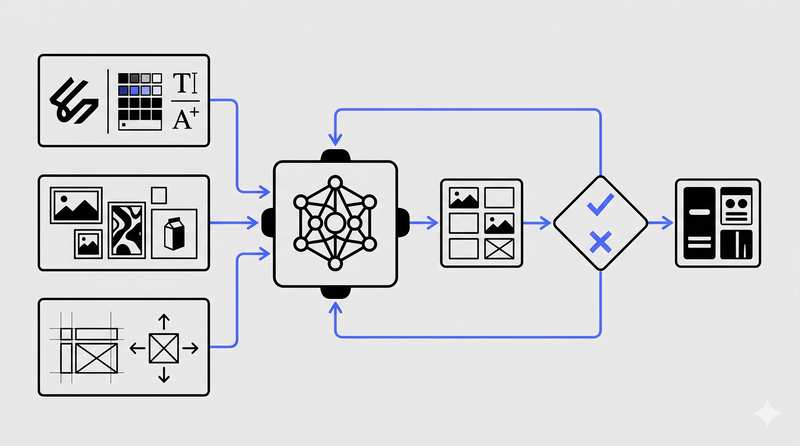
The engineering requirements that separate enterprise-ready diffusion deployments from demos
We help US enterprises make this decision based on their specific workload requirements, existing infrastructure, and long-term AI roadmap - not platform preference.
Get expert insights on your use case and identify the most effective path forward.