
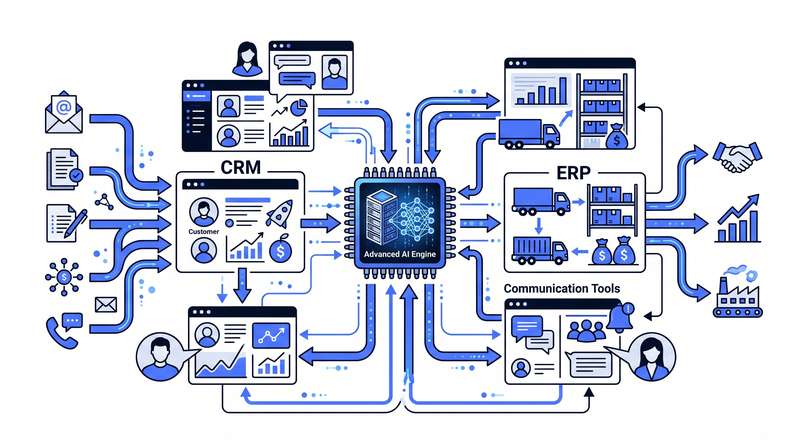
ChatGPT changed how the world thinks about AI. But the conversation that ChatGPT started and the reality of enterprise generative AI in production are two very different things. Consumer AI tools are designed for individual users. Enterprise generative AI is designed for organizations with complex workflows, sensitive data, regulatory requirements, and the need for consistent, auditable outputs at scale.
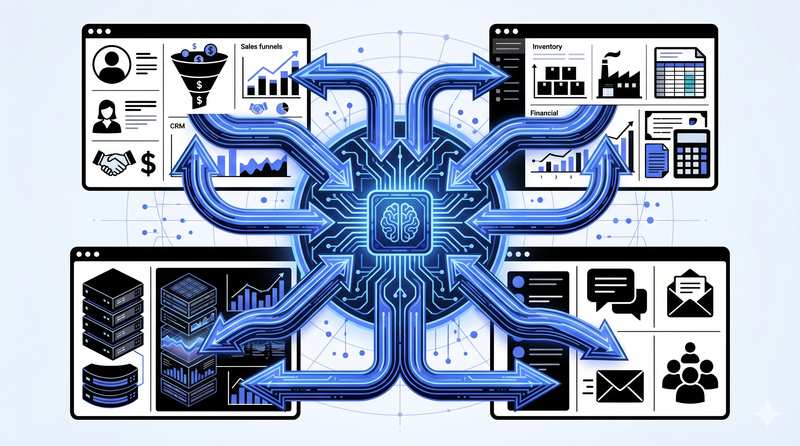
The critical differences between consumer AI tools and enterprise AI systems
Security and data isolation – consumer AI tools process user inputs on shared infrastructure. For enterprises handling customer data or regulated content, this is unacceptable. Reliability and uptime standards for enterprise operations are dramatically higher than what consumer tools guarantee. Integration depth – consumer tools are standalone applications while enterprise generative AI is woven into CRM platforms, ERP systems, and workflow automation. Auditability and explainability requirements exist across virtually every regulated US industry.
The foundation layer consists of one or more LLMs accessed through a private API or deployed on dedicated infrastructure. The data layer connects the generative system to enterprise knowledge bases through retrieval mechanisms. The orchestration layer manages the flow of information between components and handles multi-step reasoning. The safety and governance layer applies content filtering, compliance checking, and brand standard enforcement. The monitoring and observability layer tracks performance metrics and logs all system interactions for audit purposes.
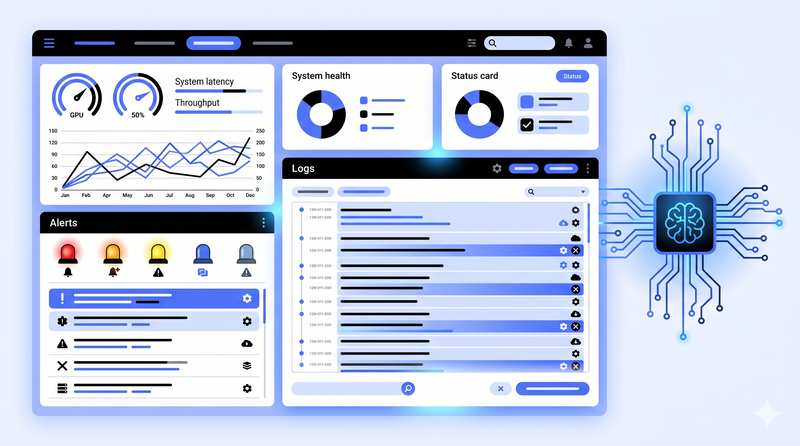
The five-layer architecture of a production-grade enterprise generative AI system
The generative AI deployments delivering the strongest outcomes share consistent characteristics: executive sponsorship extending beyond the initial launch, design around specific measurable business outcomes rather than general AI exploration, genuine change management and user training built into the deployment plan, and a commitment to iteration rather than treating the deployment as a finished product.
We help US enterprises make this decision based on their specific workload requirements, existing infrastructure, and long-term AI roadmap - not platform preference.
Get expert insights on your use case and identify the most effective path forward.