Major Shift in Claude Code Development Experience
Anthropic has released a major update to Claude Code that significantly improves how developers manage and control AI coding sessions. This update introduces multiple new features that move Claude Code closer to a fully agent-driven development system instead of a simple coding assistant. The most important additions include Agent View, the goal execution system, improved compaction handling, and new interactive tools like radio.
Agent View for Centralized Session Management
One of the biggest highlights of this update is Agent View. This feature provides a centralized dashboard where users can see all active Claude Code sessions in real time. Instead of working with multiple terminal tabs or isolated workflows, developers can now manage everything from a single interface.
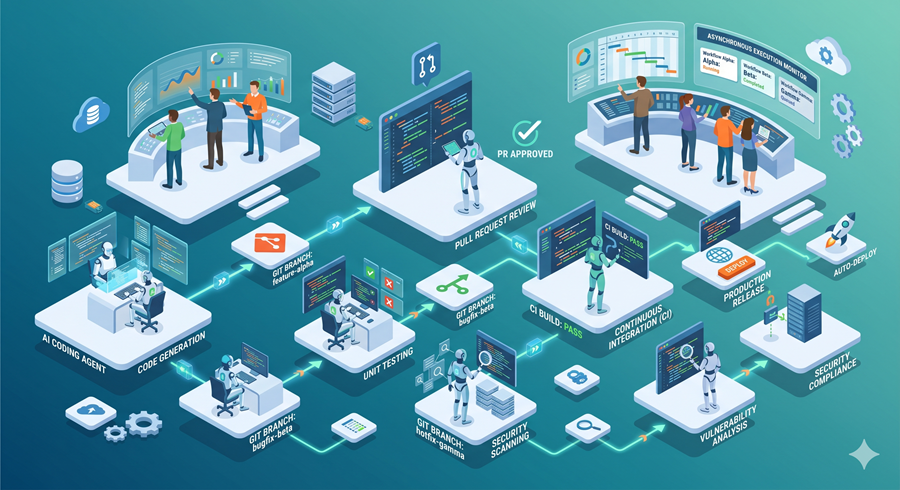
Each agent runs independently in the background, allowing multiple coding tasks to be executed in parallel. Users can see which agents are actively working, which ones are waiting for input, and which tasks are completed. This improves visibility and makes complex workflows easier to handle.
Agent View also allows users to interact with sessions directly. Developers can open a session, respond inline, or jump back into a full transcript without losing context. This makes it easier to manage long-running coding tasks and reduces workflow confusion.
Background Execution and Parallel Workflows
The update also introduces background execution options using commands like bg. This allows users to run Claude Code tasks in the background without blocking their current session. Developers can launch multiple autonomous workflows at the same time and return later to review completed outputs, such as pull requests or code changes.
This approach supports parallel task execution, where different coding ideas or features can be tested simultaneously. It is especially useful for automation, backend tasks, and continuous development workflows.
Goal Feature for Autonomous Execution
Another major addition is the goal feature. This system allows users to define a clear objective and let Claude Code continue working until that goal is completed. Instead of prompting step by step, developers can set an end condition, and the system handles execution automatically.
The goal system supports long running workflows across multiple sessions. It can also work in mobile environments, allowing users to start tasks from their phone and check results later. This makes Claude Code more flexible for asynchronous development work.
The system includes logic to determine when to continue execution and when to stop based on completion conditions, user input, or external triggers. This improves automation and reduces the need for constant supervision.
Improved Context Compaction System
Claude Code has also improved its compaction system. This feature helps manage long conversations by trimming unnecessary context while preserving important instructions and user intent. The new version works more silently in the background and reduces interruptions during long sessions.
The updated compaction method is designed to maintain consistency across long workflows. It reduces context loss and helps prevent the model from drifting away from the original instructions. This is especially important for complex coding tasks that require multiple steps over extended periods.
Radio Feature and Developer Experience Enhancements
A lighter addition in this update is the radio feature, which introduces a built-in low-fidelity coding audio stream called Claude FM. This feature is designed to make the coding experience more engaging by providing background audio during development sessions.
While not essential to functionality, it reflects a broader trend of improving developer experience beyond pure productivity tools.
Impact on AI-Driven Development
These updates collectively show a clear direction for Claude Code. The platform is evolving from a simple AI coding assistant into a full agent orchestration system. Developers can now run multiple tasks in parallel, define goals, manage sessions centrally, and maintain long-running workflows with less manual effort.
This shift makes Claude Code more suitable for real-world production environments where automation, multitasking, and reliability are important. It also reflects the broader industry movement toward autonomous coding agents that can handle complex software tasks with minimal human intervention.