
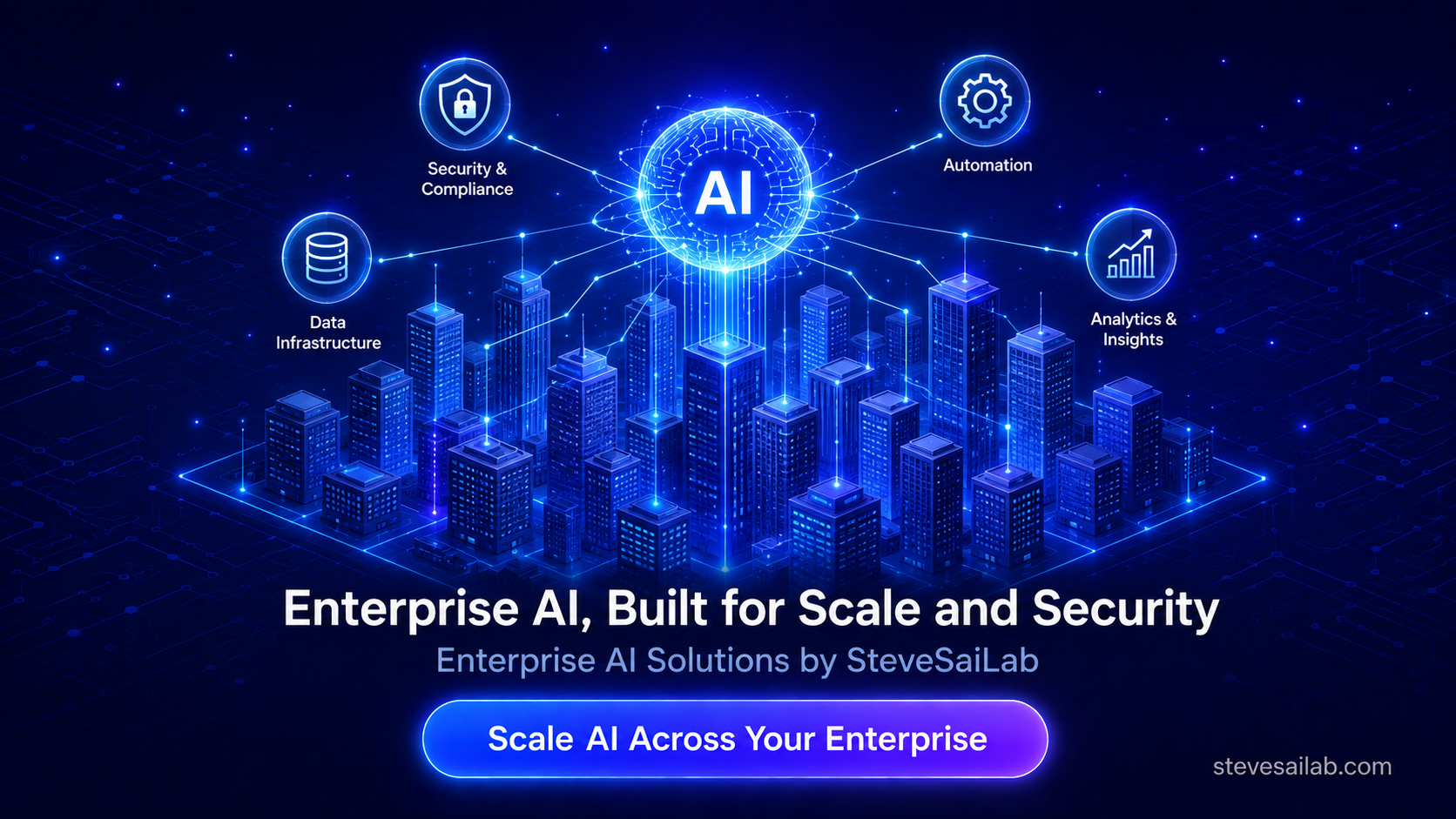
Enterprise AI refers to artificial intelligence systems designed and deployed on an enterprise scale to perform tasks, automate processes, and make decisions while being incorporated into existing organizational systems. It differs from consumer-oriented AI in terms of security, compliance, and scale.
Enterprise AI refers to artificial intelligence systems that employ technologies such as machine learning, natural language processing, and predictive analytics to operate at an enterprise level. This implies that the technology serves to transform core business functions through improved decision-making and increased efficiency.
Enterprise-level organizations have unique challenges that cannot be addressed by off-the-shelf AI technologies. As such, enterprises are beginning to embrace organized AI strategies to scale their AI initiatives beyond the pilot stage and start realizing value.
Enterprise AI is a collective term that refers to artificial intelligence systems that are designed and deployed at an enterprise level rather than individual consumers. These systems are different from consumer AI products in several ways, including their ability to handle enterprise-scale volumes of data, their compatibility with existing enterprise systems, their enhanced security features, and their compliance with existing regulations.
Scalability :These systems are designed to process enterprise-scale data and operate at enterprise levels of operation.
Integration : They are compatible with existing enterprise systems such as enterprise resource planning systems and customer relationship management systems.
Security : Enterprise AI systems are designed to be secure and operate in compliance with existing security standards and regulations.
Customization : These systems can be customized to serve specific business needs.
Businesses that deploy enterprise-level artificial intelligence systems prefer systems that are compatible with their existing infrastructure.
Modern enterprises generate and process massive amounts of data that cannot be handled by conventional technologies. As such, businesses are beginning to invest in enterprise-level artificial intelligence systems to help them analyze this data to improve performance.
Some of the reasons why businesses are investing in enterprise-level artificial intelligence systems include:
Improved operational efficiency
Better decision-making
Competitive advantage
Risk reduction
Modern enterprises deploy artificial intelligence systems in stages. The process starts with identifying business needs, followed by determining the most appropriate AI use cases for addressing these needs.
This is followed by determining the most appropriate data for the selected use cases and identifying the most suitable AI models for the selected use cases. Enterprises then proceed to integrate these systems into their existing infrastructure and validate their performance. Finally, the performance of the AI systems is monitored, and the technology is deployed at a larger scale.
This approach allows enterprises to operate with caution and ensure that the selected artificial intelligence systems are useful before investing in their large-scale deployment.
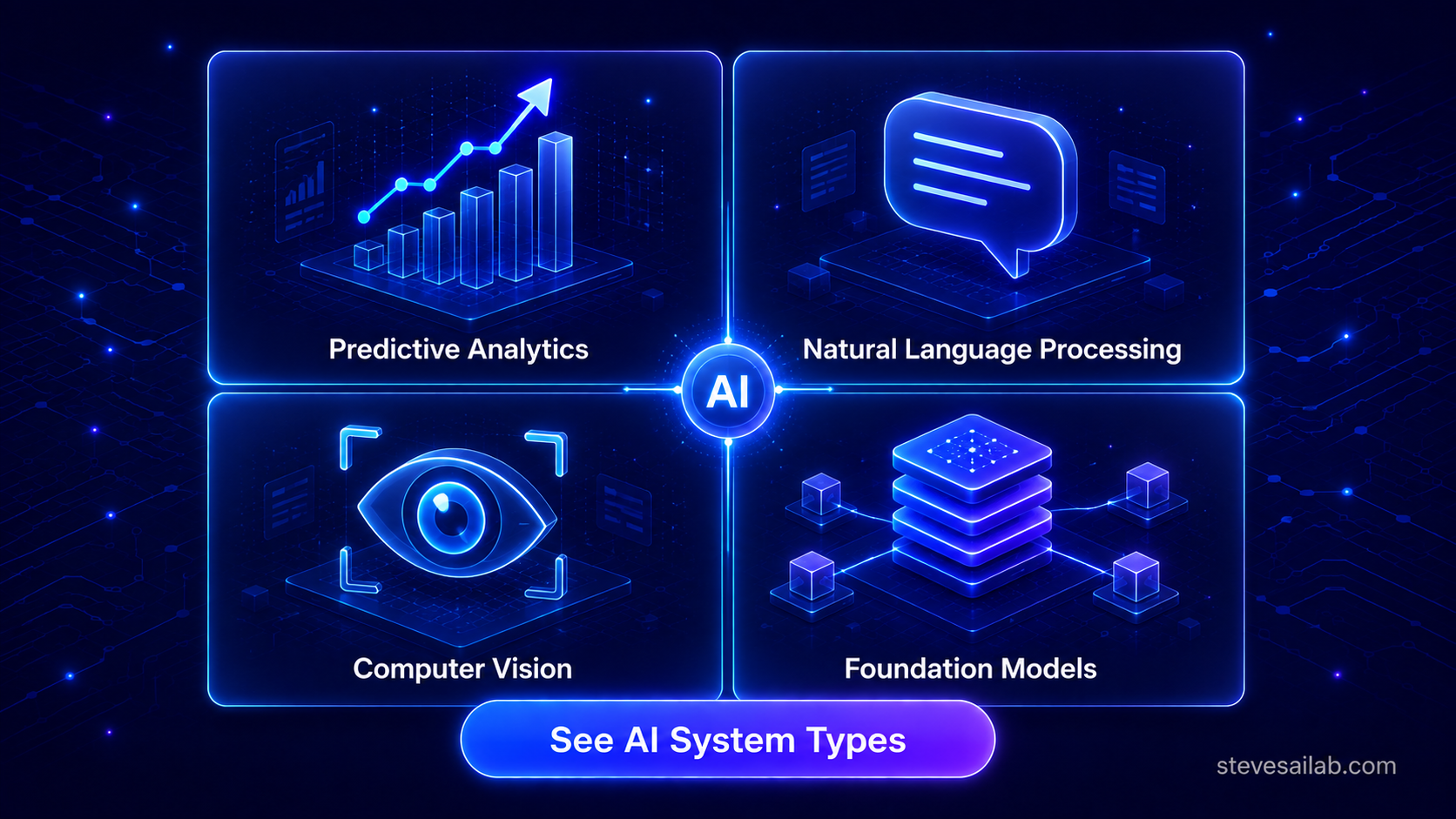
Enterprise AI systems can be grouped into several categories, depending on their intended use. Some of the common enterprise-level artificial intelligence systems include:
Predictive analytics systems – These systems use historical data to make predictions about future trends and events. They are commonly used in areas such as demand forecasting and risk assessment.
Natural language processing systems – These systems use natural language processing technology to understand and generate human language. They are commonly used in chatbots and virtual assistants.
Computer vision systems – These systems use computer vision technology to interpret and analyze visual data. They are commonly used in areas such as quality control and video surveillance.
Foundation models – This is a class of large-scale machine learning models that can be fine-tuned to perform a wide range of tasks. They are typically used as the foundation for developing other AI systems.
Data security is a major concern for enterprises considering adopting artificial intelligence systems. Enterprise AI systems are typically designed to operate in secure environments, such as enterprise cloud systems. These systems also incorporate advanced security measures to ensure data confidentiality and integrity.
Some of the security measures that can be incorporated when deploying enterprise AI systems include:
Implementing role-based access control systems to prevent unauthorized access to sensitive data.
Using encryption to protect data both at rest and in transit.
Conducting regular compliance audits to ensure that the systems adhere to existing regulations.
Isolating AI systems in secure environments to prevent unauthorized access.
Without proper security measures, enterprise AI systems can cause more harm than good.
Whether a business should build or buy its own enterprise-level artificial intelligence systems depends on several factors, including the organization’s resources, time constraints, and specific needs. It also depends on the extent to which the organization’s needs can be addressed by existing off-the-shelf systems.
Some businesses can buy enterprise AI systems to address generic needs while others may need to build systems from scratch to address specific organizational needs.
Many organizations opt to hire a generative AI development company to develop customized enterprise AI systems that address their specific needs.
Enterprise AI systems are becoming increasingly essential as enterprises seek to scale their operations. Organizations must consider several factors when deploying enterprise-level artificial intelligence systems, including the selection of appropriate use cases, addressing security concerns, and ensuring that the technology is compatible with existing infrastructure. Modern enterprises considering adopting artificial intelligence systems must ensure they take a systematic approach to implementing the technology.
Enterprise AI is typically applied in enterprises for automating operations and decision-making, as well as analyzing and extracting value from extensive data sets to support organizational operations. Some of the common use cases include predictive analytics, automating customer service, detecting fraud, and optimizing supply chains among other large-scale applications.
Enterprise AI is designed and built to operate at scale while also being secure and easily integrated with other systems, which makes it different from regular or consumer AI tools. Enterprise solutions also have compliance features that regular tools lack.
Enterprise AI is operated and maintained using enterprise-grade cloud security measures such as encryption and access control, thus making it secure to handle sensitive data and satisfy regulatory requirements.
Both the customization of existing enterprise AI models and training new models from scratch can be practical, depending on the specific application. However, in most cases, it is usually more cost-effective to work with an existing foundation model to develop customized enterprise AI solutions.
The timeline for developing enterprise AI can vary tremendously depending on the application and specific requirements. Most generic solutions such as automation tools can be deployed within a few weeks, whereas customized enterprise-scale solutions may take longer to achieve organizational objectives before they can start delivering results.
We help US enterprises make this decision based on their specific workload requirements, existing infrastructure, and long-term AI roadmap - not platform preference.
Get expert insights on your use case and identify the most effective path forward.