
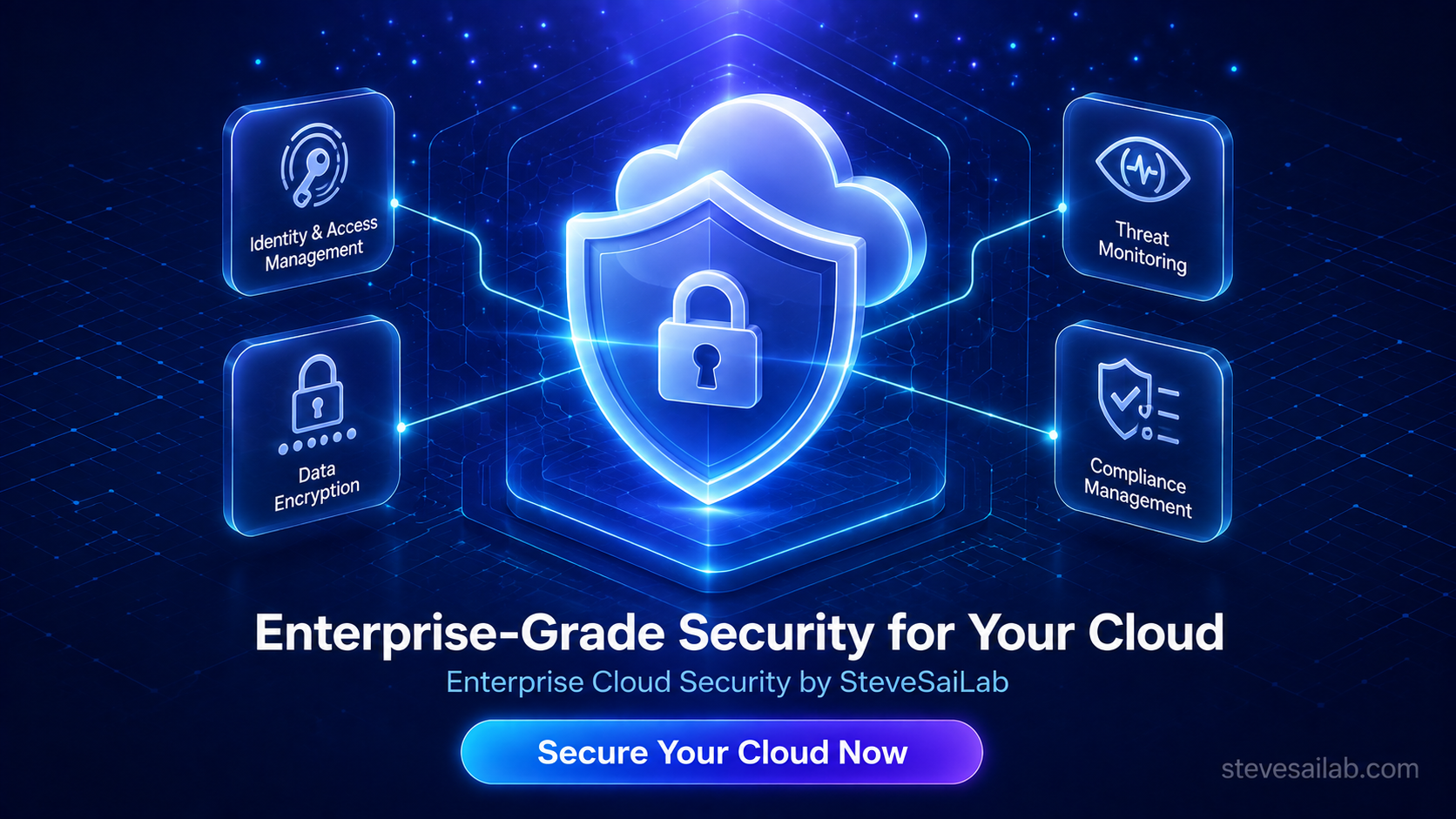
Enterprise cloud security includes the policies and procedures that ensure the safety of data, applications, and infrastructure hosted in the cloud. It entails a combination of encryption, identity management, monitoring, and other measures to prevent data breaches, unauthorized access attempts, and compliance misses.
The term enterprise security refers to processes and technologies used to secure cloud-based applications, infrastructure, and data against cyber threats. It is different from regular cloud security in that it covers large-scale platforms with extensive compliance needs and multiple layers of technology.
As enterprises embrace the cloud to host their data and applications, the level of risk increases due to the volume and value of data being high. Therein lies the need for enterprise-level organizations to take this discipline seriously as it requires more resources and persistent effort as opposed to cloud security for personal applications.
In this article, we look at what enterprise cloud security entails and why it is essential to large-scale organizations.
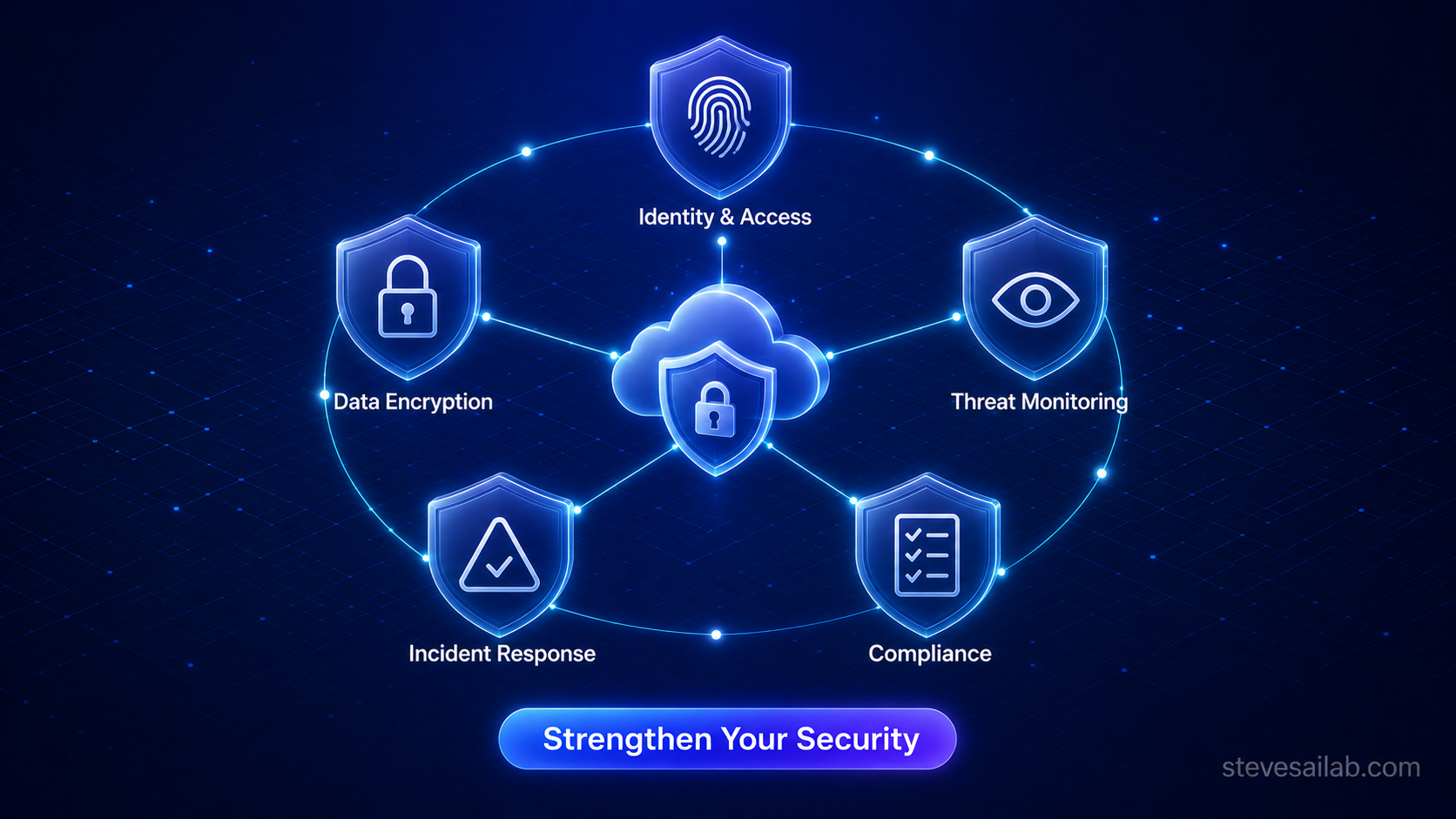
Enterprise cloud security is a broad term that encompasses various procedures, technologies, and policies used to secure data, applications, and infrastructure hosted in the cloud. Some of the key aspects of this discipline include identity management, data encryption, compliance, incident response procedures, and monitoring. This set of measures is vital for enterprise-level organizations because it helps protect sensitive data, meet compliance obligations, prevent the financial losses that may arise due to attacks, and maintain trust among stakeholders.
An enterprise organization cannot rely on just a few aspects of cloud security. There is a need for companies to leverage an appropriate combination of technologies and procedures in different domains. Some of the key areas that enterprises must address when deploying cloud security include the following:
Identity and access management
Data encryption
Threat monitoring and detection
Incident response management
Compliance management
A security flaw in enterprise cloud security can cause dire consequences since there is a lot of valuable data involved. A company will suffer significantly when such a scenario arises, especially if the data being held is highly sensitive.
Here are some of the reasons why this aspect of cybersecurity is vital to enterprises:
Enterprises possess a lot of sensitive data that must be guarded at all costs. Some of the information these organizations hold include customers’ financial and personal data.
Most industries have stringent data protection regulations, and organizations must adhere to them. This requirement is especially true for enterprises as regulatory authorities tend to impose heavy penalties when large companies fail to meet security standards.
Security incidents in enterprises can be very costly due to the nature of data and infrastructure involved. There are also additional financial burdens that come about due to the disruption of normal operations after an attack.
A security incident can affect customer trust in the enterprise if the attacker acquires and leaks sensitive data. It is, therefore, important to secure data, especially customer data, to avoid such a scenario.
Most enterprises use a combination of procedures and technologies as opposed to adopting a single measure. Here is a list of the common steps that enterprise organizations take to guarantee cloud security:
Conduct a risk assessment
Implement access control procedures
Encrypt data
Monitor systems and activities
Perform routine audits
Develop response procedures
It is always necessary for companies to implement all of these procedures if they intend to achieve high levels of security. Failing to adhere to one of these aspects can create loopholes and expose the organization to various cyber threats.
There are various challenges that make up enterprise cloud security. It is vital for organizations to understand the nature of risks they face in order to address them properly. Here is a list of the common enterprise cloud security challenges:
Challenge
Description
Potential Impact
Some of the common vulnerabilities that enterprises encounter in the cloud stem from misconfigured systems.
Unauthorized access to data and systems
Some employees may deliberately leak sensitive data, especially if they have access to them.
Data breaches and leaks
This occurs when an attacker gains unauthorized access to systems using legitimate credentials.
Unauthorized access to systems and data
Attackers may target applications programming interfaces to access data and systems.
Data and application compromise
Failure to meet the minimum security standards set by relevant regulatory bodies.
Fines and legal problems
AI technology is becoming more widely adopted in different fields and industries. One of the most significant benefits that organizations are realizing from enterprise AI is that it can help them detect cyber threats faster. As a result, enterprises are looking to invest in enterprise ai solutions and work with generative ai development companies to enhance security measures. In doing so, these organizations consider the most appropriate ai development services providers.
In terms of security, companies that utilize ai development services for generative ai must address the risk associated with the data handling process. It is essential for organizations to understand how foundation AI models work if they intend to adopt generative AI solutions. The reason is that such systems process a lot of data, including sensitive information belonging to organizations, customers, and other stakeholders. It is, therefore, essential for companies that offer generative ai development services to address all aspects of security to guarantee the highest level of protection.
Not all providers offer the same level of protection, and it is always necessary to choose the most suitable enterprise cloud security provider.
Here are some of the key factors that enterprises should consider when looking for the best cloud security provider:
Experience in dealing with incidents and responding to them quickly
Monitoring and detection capabilities
Scalability of the selected solutions
A competent cloud security provider will always address cloud security as an ongoing process and not a one-time endeavor.
Enterprise cloud security covers the protection mechanisms and procedures that enterprises use to safeguard data, applications, and infrastructure hosted in the cloud. The main aspects of this aspect of security include monitoring, encryption, incident response, and compliance management. It is vital for enterprises to consider this aspect of cybersecurity seriously because it protects sensitive and valuable data, helps organizations adhere to applicable laws and regulations, and ensures the overall security of enterprise infrastructure. In addition, organizations must consider the security implications of adopting AI technologies and address them appropriately.
Identity and access management, data encryption, threat monitoring, compliance management, and incident response planning are some of its components. These components help in safeguarding the enterprise cloud against unauthorized access or data breaches.
Enterprise cloud security is meant to serve larger organizations or data platforms with multiple departments, compliances, and larger data sets. Regular cloud security features may be enough for small-scale operations that do not involve much data and have relatively fewer compliance challenges.
Yes, the enterprise cloud security could benefit from AI. Most organizations that use enterprise AI analytics and tools to monitor network traffic and detect threats faster than would be possible manually.
Healthcare, finance, and government usually require the best enterprise cloud security because of the sensitive nature of the data and the high cost of breaches.
When developing AI models using generative AI development services, cloud security helps secure the data, outputs, and access to models. Cloud security is required because there is always an increased risk when handling data, which can cause breaches if not handled carefully.
We help US enterprises make this decision based on their specific workload requirements, existing infrastructure, and long-term AI roadmap - not platform preference.
Get expert insights on your use case and identify the most effective path forward.